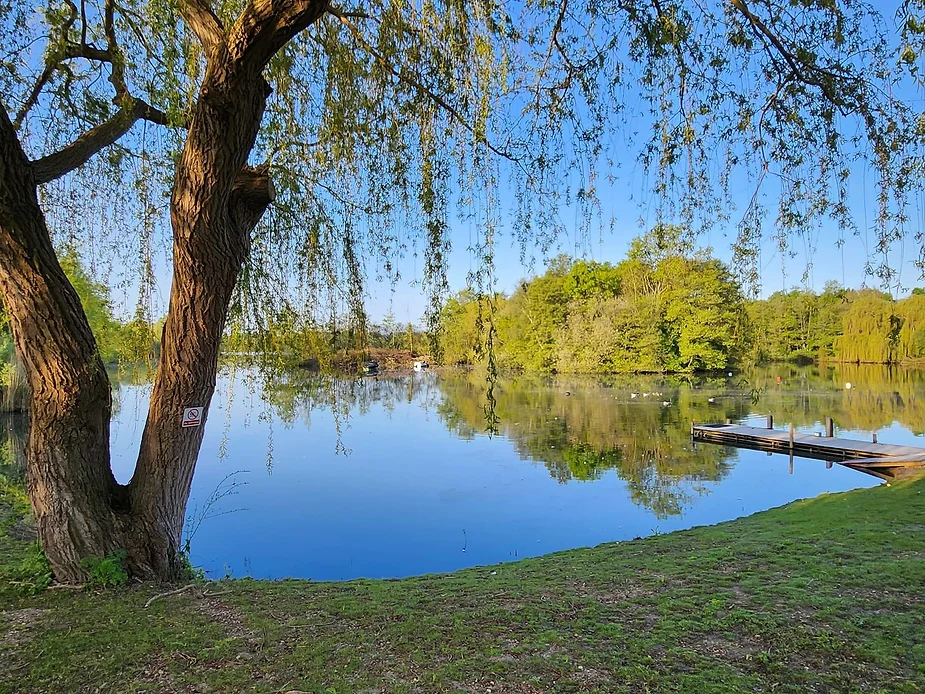
As summer comes to an end and the days start to get shorter, many open water swimmers begin thinking about what the colder months will bring. While winter open water swimming can feel like a big step from those warm summer swims, with the right preparation, equipment and approach, it can become one of the most rewarding parts of your swimming routine.
At Longside Lake in Egham, Surrey, we welcome swimmers throughout the year, giving our local swimming community the opportunity to enjoy open water swimming as the seasons change.
If you've enjoyed swimming outdoors throughout the summer and want to continue into autumn and winter, here's how to make the transition safely and comfortably.
When does winter open water swimming start?
There isn't one specific date when open water swimming becomes "winter swimming". Instead, the transition happens gradually as water and air temperatures begin to fall.
Autumn can be an ideal time to prepare for winter. The water is gradually getting colder, giving your body time to adjust rather than going straight from warm summer water into much colder conditions.
For swimmers in Surrey and the surrounding areas, autumn is a great opportunity to establish a regular routine at your local managed lake before temperatures drop further.
1. Start preparing before the water gets really cold
One of the biggest mistakes beginners can make is waiting until winter arrives before thinking about cold-water preparation.
If you've been swimming regularly throughout the summer, continue your routine as the temperature drops. Gradually experiencing cooler water can help you become familiar with how your body responds.
However, cold-water swimming isn't about seeing how long you can stay in the water.
As temperatures decrease, your swim should generally become shorter. Your focus should be on enjoying the experience while understanding your own limits.
At Longside Lake, our managed environment and trained safety team provide reassurance for swimmers throughout the year.
2. Invest in the right winter swimming kit
You don't necessarily need lots of new equipment to continue open water swimming during winter, but having the right kit can make a huge difference.
A good quality wetsuit
A thicker wetsuit can provide additional insulation as the water becomes colder.
If you already own a summer wetsuit, you may want to consider whether it provides enough warmth for colder conditions. Some swimmers choose a dedicated winter wetsuit as temperatures fall.
Neoprene accessories
Cold water can make your hands, feet and head feel particularly cold.
Consider investing in:
-
Neoprene gloves
-
Neoprene socks or boots
-
A suitable swim hat
-
A brightly coloured tow float
-
Changing robe or warm layers for after your swim
Everyone responds differently to cold water, so your ideal combination of kit will depend on your individual tolerance and experience.
3. Don't forget your warm-up
Getting warm after a winter swim is just as important as preparing before you get in.
Have everything ready before you enter the water so you aren't standing around in wet swimwear afterwards.
Pack warm clothing that is easy to put on, such as:
-
A changing robe
-
Warm socks
-
Hat and gloves
-
Joggers or loose trousers
-
A fleece or jumper
-
A warm coat
It's also a good idea to have a warm drink waiting for you after your swim.
The quicker and easier you can get changed, the more comfortable you'll be once you're out of the water.
4. Shorten your swims as the temperature drops
Summer swimming and winter swimming aren't the same.
When the water is warm, you may be comfortable swimming for much longer periods. As the temperature falls, your body loses heat more quickly, meaning your usual summer swim duration may no longer be appropriate.
Don't feel that you need to complete the same distance you would during summer.
A shorter winter swim is still a successful swim.
Listen to your body and get out if you start feeling excessively cold, uncomfortable, confused, dizzy or unwell.
5. Understand the effects of cold water
Cold water can have a significant effect on your body, particularly when temperatures fall.
The initial shock of entering cold water can affect breathing and heart rate. This is why it's important not to rush into the water.
Enter gradually and allow yourself time to get your breathing under control before swimming away from the entry point.
If you are new to cold-water swimming, start conservatively and consider speaking to a healthcare professional if you have any underlying health concerns.
Winter swimming should challenge you — not put you at unnecessary risk.
6. Make safety your priority
One of the biggest benefits of swimming at a managed open water swimming venue is having safety measures in place.
At Longside Lake, our swimming sessions take place in a managed lake environment with trained lifeguards and safety measures designed to help swimmers enjoy the water safely.
However, personal responsibility is still important.
Before every swim:
-
Check the conditions
-
Know the water temperature
-
Make sure you're feeling well
-
Never swim beyond your ability
-
Use a visible tow float where appropriate
-
Don't swim alone in an unmanaged environment
-
Tell someone where you're going
-
Pay attention to lifeguard instructions
-
Get out if you begin to feel unwell
Remember, being experienced at swimming doesn't necessarily mean you're experienced at swimming in cold water.
7. Choose the right time of day
As we move into autumn and winter, daylight hours become shorter.
This means your favourite summer swimming time may no longer be practical.
Planning your swims around daylight can make the experience much more enjoyable. If you're swimming early in the morning or later in the afternoon, make sure you can see clearly and that the venue is open during those hours.
At Longside Lake in Egham, our swimming timetable changes throughout the year, so always check the latest session times before travelling.
8. Don't underestimate the importance of recovery
Winter swimming doesn't finish when you leave the water.
Your body can continue cooling down after you get out, so take your post-swim routine seriously.
Get dressed into warm layers, dry yourself thoroughly and take some time to warm up.
A warm drink and something to eat can also be a welcome part of your post-swim routine.
And don't forget to give yourself time to recover. If you're feeling unusually tired after a swim, take it easy and allow your body to recover before your next session.
9. Keep swimming with other people
One of the best things about open water swimming is the community that comes with it.
Winter can make it tempting to stay indoors, but having a regular swimming group or community can help you stay motivated.
At Longside Lake, our swimming community includes people with different levels of experience, from those who are completely new to open water swimming to regular swimmers who enjoy getting in throughout the year.
Having familiar faces around you can make those cold mornings a little easier!
10. Embrace the change of season
The biggest difference between summer and winter swimming isn't just the temperature.
It's the experience.
Winter swimming can offer a completely different atmosphere. Crisp mornings, mist over the water and quieter sessions can make your swim feel like a peaceful escape from everyday life.
Rather than trying to replicate your summer swimming routine, embrace the fact that your winter routine may look different.
Shorter swims, warmer clothing, slower starts and plenty of time warming up afterwards can all become part of the experience.
Winter open water swimming at Longside Lake
If you're looking for open water swimming in Surrey, Longside Lake is located in Egham, making it accessible for swimmers from Egham, Staines, Virginia Water, Chertsey, Woking and surrounding areas.
Our managed freshwater lake provides a dedicated environment for open water swimming, with trained lifeguards and safety measures in place to help you enjoy your swim throughout the seasons.
And when you're finished, you can warm up, grab a drink or food from the café and enjoy the wider Longside Lake facilities.
Whether you're an experienced cold-water swimmer or you're thinking about trying winter open water swimming for the first time, autumn is the perfect time to start preparing.
Ready to keep swimming this winter?
Don't pack away your swimming kit just because summer is over.
With the right preparation, sensible approach and appropriate equipment, winter open water swimming in Surrey can become a rewarding part of your routine.
Start gradually, know your limits, prioritise safety and enjoy the changing seasons at Longside Lake.
Ready to take the plunge? Check the latest Longside Lake swimming timetable and plan your next open water swim in Egham, Surrey.