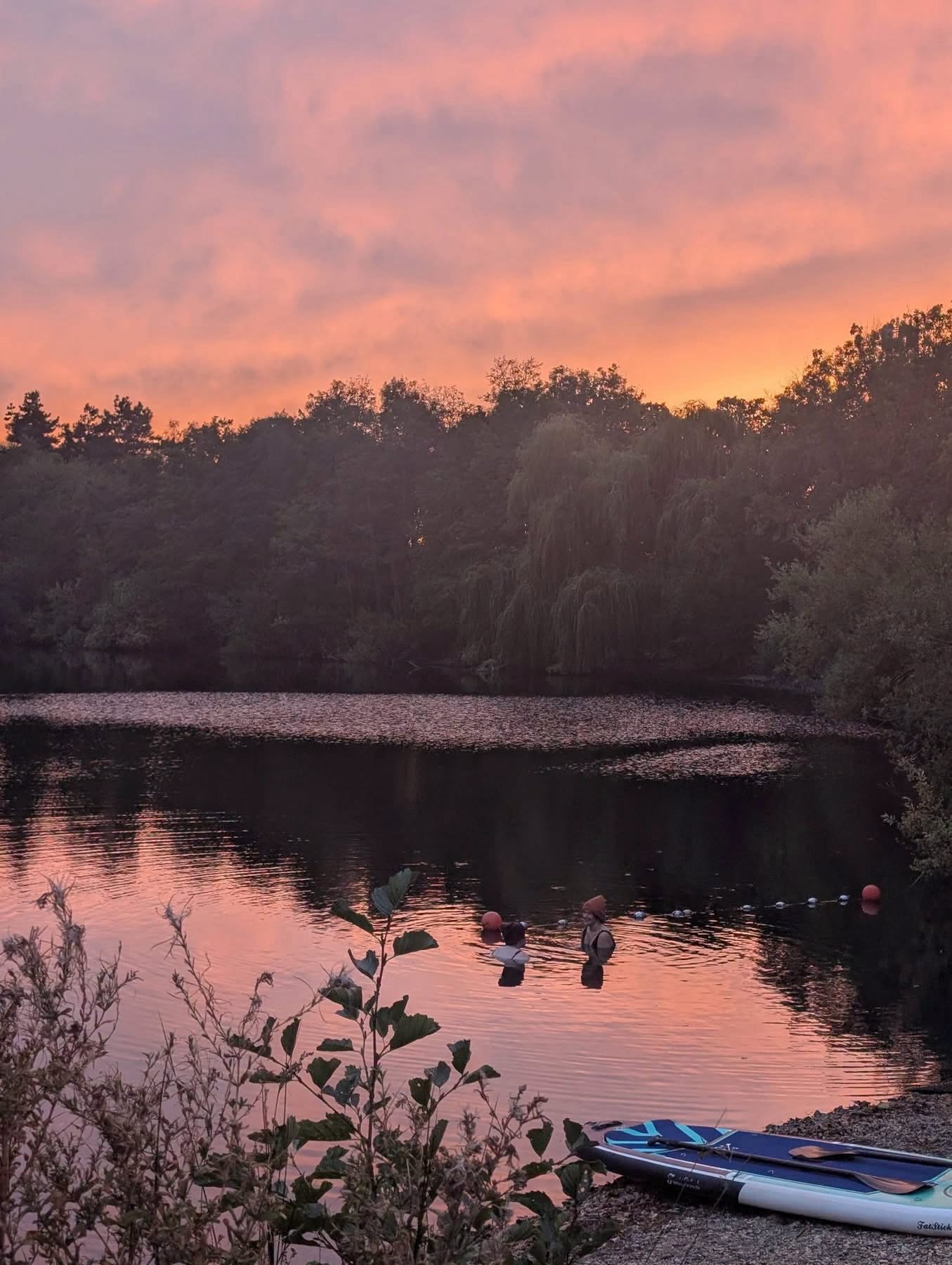
As the temperatures drop and summer fades away, you might be wondering: is open water swimming safe in winter?
The short answer is yes. Winter open water swimming can be safe when it is approached correctly, with the right preparation, suitable conditions and appropriate safety measures in place.
For many swimmers, winter is one of the most rewarding times of year to swim outdoors. The crisp mornings, quieter water and sense of achievement that comes from getting into cold water can make it an experience you look forward to every week.
However, winter swimming is very different from swimming during the warmer months. Colder water can place additional stress on your body, so understanding how to prepare and when to get out is essential.
If you're new to cold water swimming, here's everything you need to know before taking the plunge.
What Makes Winter Open Water Swimming Different?
The biggest difference between summer and winter open water swimming is, of course, water temperature.
As the air and water become colder, your body loses heat much faster. Cold water can affect your breathing, movement and ability to swim comfortably, particularly if you're not acclimatised.
This doesn't mean you have to stop swimming outdoors during winter. Instead, it means you should gradually adapt to the changing conditions and take extra care with your preparation.
At a managed open water swimming venue, you'll also have the benefit of swimming in an environment where safety procedures, water conditions and facilities are designed with swimmers in mind.
Can Beginners Swim Outdoors in Winter?
Yes, but beginners should take a gradual approach.
If you've only ever swum outdoors during the summer, don't feel that you need to suddenly start swimming long distances in very cold water.
Instead, focus on building up your cold-water experience gradually.
You could start by:
-
Keeping your first winter swims short
-
Swimming during daylight hours
-
Choosing a managed swimming venue
-
Swimming when trained lifeguards are present
-
Using appropriate cold-water equipment
-
Swimming with other people rather than alone
-
Listening to your body and getting out when you feel uncomfortable
Winter swimming isn't about how long you can stay in the water. It's about enjoying the experience safely.
What Should You Wear for Winter Open Water Swimming?
What you wear will depend on your experience, the water temperature and the rules of the venue.
A wetsuit can provide additional insulation and is a popular option for swimmers who want to continue swimming outdoors throughout the colder months.
Other useful pieces of equipment include:
Tow Float
A brightly coloured tow float can make you more visible in the water and provides something to hold onto if you need a rest.
Bright Swimwear
Bright colours can make you easier to see in the water, particularly during darker winter mornings and evenings.
Neoprene Accessories
Neoprene gloves, socks and a swim hat can provide additional protection from the cold and may make your swim more comfortable.
Warm Clothing for Afterwards
What you wear after your swim is just as important as what you wear in the water.
Bring plenty of warm layers, including:
-
A changing robe
-
Hat
-
Gloves
-
Warm socks
-
Dry clothes
-
A warm drink
Have everything ready before you get into the water so you aren't standing around in the cold afterwards.
Why Is Acclimatisation Important?
One of the most important things to understand about winter swimming is cold-water acclimatisation.
Your body needs time to adapt to colder temperatures. If you're new to open water swimming, don't try to prove how tough you are by staying in the water for as long as possible.
Instead, swim regularly and gradually allow your body to become accustomed to colder conditions.
As the seasons change, you'll naturally notice the water becoming colder. Pay attention to how your body responds and adjust the length of your swims accordingly.
Longer isn't necessarily better.
A short, enjoyable winter swim can be just as rewarding as a longer session.
What Is Cold Water Shock?
Cold water shock is one of the biggest reasons why swimmers need to take care when entering cold water.
Suddenly entering cold water can cause an involuntary gasp and rapid changes in your breathing. This is why it's important to enter the water slowly and calmly, rather than jumping or diving straight in.
Once in the water:
-
Enter gradually.
-
Give yourself time to adjust.
-
Focus on slow, controlled breathing.
-
Don't immediately swim hard.
-
Stay aware of how you're feeling.
-
If you don't feel right, get out.
Taking a few moments at the edge of the water to prepare yourself can make a big difference.
How Long Should You Swim in Winter?
There isn't one specific amount of time that is right for everyone.
Your ideal swim duration depends on factors including:
-
Water temperature
-
Your experience
-
Whether you're wearing a wetsuit
-
Your level of acclimatisation
-
Weather conditions
-
How you're feeling on the day
Don't compare your swim time with someone else's.
A swimmer who has been cold-water swimming for several winters may comfortably manage a session that would be inappropriate for someone swimming outdoors for the first time.
Listen to your body rather than the clock.
What Are the Signs You Should Get Out?
Knowing when to leave the water is one of the most important winter swimming skills.
Get out if you start experiencing symptoms such as:
-
Excessive shivering
-
Numbness
-
Difficulty moving your arms or legs
-
Confusion
-
Feeling unusually tired or weak
-
Difficulty speaking clearly
-
Loss of coordination
-
Feeling unwell or uncomfortable
It's always better to finish your swim early than to push yourself too far.
Once you're out, get dressed into warm, dry clothing and begin warming up gradually.
Why Swim at a Managed Open Water Swimming Venue?
If you're new to winter swimming, choosing where you swim is just as important as choosing what you wear.
Swimming at a managed lake gives you access to facilities and safety measures that aren't available when swimming alone in an uncontrolled environment.
At Longside Lake in Egham, Surrey, swimmers can enjoy open water swimming in a managed lake environment with trained lifeguards and safety procedures in place.
Located conveniently for swimmers across Egham, Staines, Virginia Water, Chertsey, Surrey and London, Longside Lake provides a community-focused environment for outdoor swimming throughout the year.
For beginners, having other swimmers around and knowing that trained staff are nearby can provide additional reassurance when you're getting used to colder water.
Warm Up Properly After Your Winter Swim
Getting out of the water doesn't mean your body immediately returns to its normal temperature.
You can continue cooling down after your swim, which is why having warm clothing ready is so important.
Once you've finished swimming:
Get changed quickly.
Remove wet swimwear and put on warm, dry layers.
Have a warm drink.
A hot drink can be a comforting part of your post-swim routine.
Take your time.
Don't rush straight into another activity. Give yourself time to warm up and recover.
Why Combine a Winter Swim With a Sauna?
For many open water swimmers, the post-swim sauna has become an important part of their winter routine.
At Longside Lake, you can combine your open water swim with time in the wood-fired sauna, giving you a chance to relax and warm up after being in the water.
Longside Lake also has dedicated sauna sessions, including Ladies Sauna and Men's Sauna sessions, making it easy to build a social wellness routine around your swim.
Winter Swimming Is About Community Too
One of the best things about open water swimming in winter is the community.
Summer swimming can be busy, but winter often creates an even stronger sense of camaraderie. There is something special about turning up on a cold morning, seeing familiar faces and knowing everyone is there for the same reason.
At Longside Lake, the Sunrise Dipping Club takes place every Wednesday at 6am, combining an early morning dip with sauna time.
It's a great way to make winter swimming part of your weekly routine rather than something you only do occasionally.
Is Winter Open Water Swimming Worth It?
For many people, absolutely.
Winter swimming can be a brilliant way to stay connected with the outdoors, maintain a swimming routine throughout the colder months and enjoy the unique atmosphere that comes with swimming outdoors in winter.
But you don't need to be an experienced ice swimmer to get involved.
Start slowly. Choose a safe and managed location. Prepare properly. Don't stay in longer than you need to. And most importantly, never feel pressured to swim when conditions don't feel right for you.
Winter Open Water Swimming at Longside Lake
If you're looking to continue open water swimming in Surrey throughout winter, Longside Lake in Egham is a managed lake offering outdoor swimming in a welcoming community environment.
With trained lifeguards, safety procedures, changing facilities, a café and sauna facilities, you can make your winter swim part of a complete day out.
Whether you're an experienced cold-water swimmer or thinking about trying winter open water swimming for the first time, there's no better feeling than getting out of the water, warming up and knowing you've done something positive for yourself.
Ready to try winter swimming?
Visit Longside Lake and discover open water swimming in Surrey throughout the colder months.