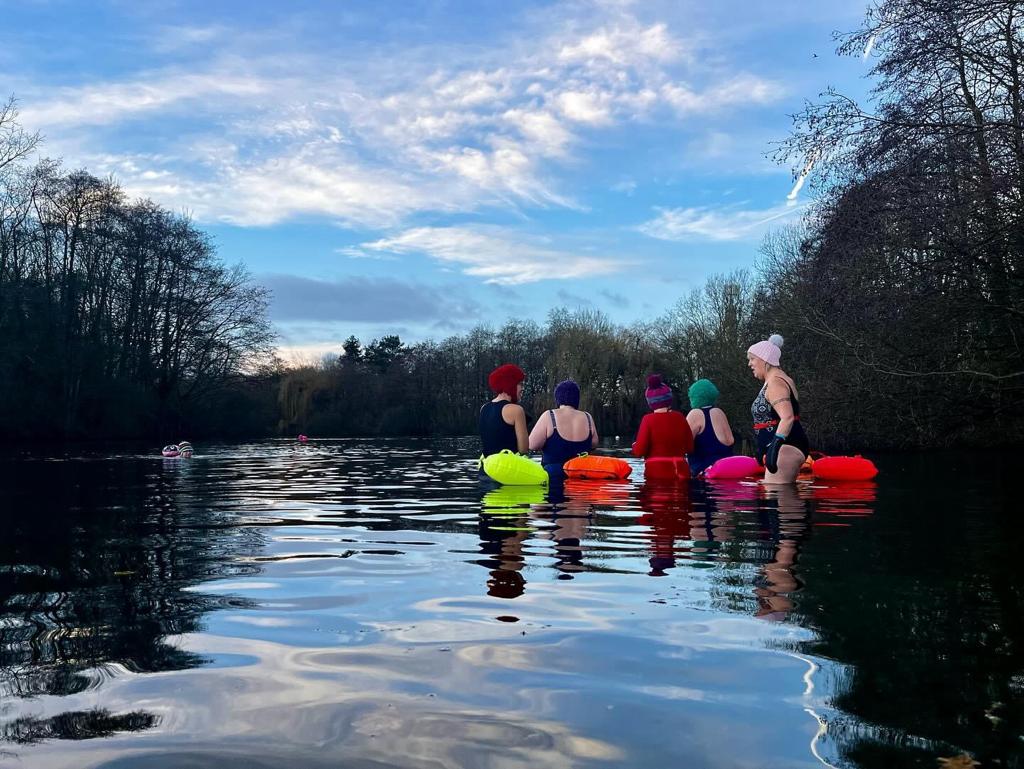
Open water swimming and sauna sessions have become increasingly popular with people looking for a different way to stay active, spend more time outdoors and build a regular wellness routine.
For swimmers across Surrey, West London and the surrounding areas, combining a swim in open water with time in a sauna can create a refreshing experience that goes beyond your usual workout.
But what are the actual benefits of open water swimming? And is using a sauna after swimming a good idea?
In this guide, we'll explore the potential benefits of open water swimming and sauna, how to combine the two safely, and why a managed lake environment can be a great place to make them part of your routine.
What are the benefits of open water swimming?
Open water swimming involves swimming outdoors in natural or purpose-managed bodies of water, including lakes.
Unlike swimming in a traditional indoor pool, open water swimming provides a different environment and experience. You're surrounded by nature, exposed to outdoor conditions and have to adapt to the movement and temperature of the water.
Some of the key benefits include:
-
A full-body form of exercise
-
Spending more time outdoors
-
Building swimming confidence
-
Developing endurance and stamina
-
Supporting general physical fitness
-
Creating a sense of routine and community
-
Enjoying a change from indoor exercise
For many swimmers, however, the appeal goes beyond physical exercise.
There's something particularly refreshing about getting into the water outdoors, especially when you make it a regular part of your week.
Is cold water swimming good for you?
Cold water swimming has attracted significant interest in recent years, with many swimmers describing it as invigorating and mentally refreshing.
Cold water exposure causes the body to respond to a change in temperature, which can make the experience feel challenging and stimulating.
However, it's important not to view cold water swimming as a cure for health conditions or assume that colder water is automatically better.
If you're new to open water swimming, start gradually and listen to your body. Water temperature can have a significant impact on how your body responds, and conditions can change throughout the year.
The goal isn't to stay in the water for as long as possible. It's about enjoying a safe, sustainable experience.
The physical benefits of open water swimming
Swimming is an excellent form of cardiovascular exercise and works muscles throughout the body.
Regular swimming can help develop:
Cardiovascular fitness
Swimming requires continuous movement, making it an effective way to get your heart and lungs working.
Muscular endurance
Your arms, shoulders, back, core and legs all contribute to swimming, making it a full-body activity.
Stamina
Regular swimming can help you gradually build endurance, allowing you to swim for longer periods as your fitness develops.
Low-impact exercise
Swimming places considerably less impact on your joints than many land-based forms of exercise, making it an appealing option for people looking to vary their training.
Open water swimming also adds an extra challenge because you're swimming in an outdoor environment rather than a perfectly controlled pool.
The mental benefits of swimming outdoors
One of the biggest attractions of open water swimming is simply getting outside.
Spending time outdoors can provide a welcome break from work, screens and everyday routines.
For many swimmers, the experience of getting changed, entering the water, swimming and then warming up afterwards becomes a ritual that helps them switch off.
Open water swimming can also provide a sense of achievement.
Getting into cold water when you'd rather stay warm takes commitment. Completing a swim can leave you feeling refreshed and accomplished.
It's important to remember that everyone's experience is different, and open water swimming should be enjoyed because you enjoy it, not because you feel pressured to tolerate increasingly cold temperatures or swim increasingly long distances.
What are the benefits of using a sauna after swimming?
A sauna uses heat to warm the body, usually in a dry environment.
For swimmers, spending some time in a sauna after getting out of the water can provide a relaxing way to warm up and unwind.
Potential benefits of sauna use include:
-
Relaxation
-
A feeling of warmth after swimming
-
Temporary relief from muscle stiffness
-
A chance to unwind after exercise
-
Supporting a relaxing post-swim routine
Sauna sessions also encourage you to slow down.
Rather than finishing your swim and immediately heading back to work or your daily routine, you have an opportunity to sit, breathe and relax.
Why combine open water swimming and sauna?
Swimming and sauna complement each other particularly well from an experience perspective.
You move from cold water to heat, creating a noticeable contrast in temperature.
After your swim, you can take time to dry off, hydrate and gradually warm up before enjoying a sauna session.
The combination can make a swimming session feel like more than just exercise. It can become a complete outdoor wellness experience.
A typical session could look like:
1. Arrive and prepare
Take your time getting changed and preparing for your swim.
2. Swim
Complete a swim appropriate for your experience, fitness and the current water conditions.
3. Get changed
Once you've finished swimming, dry off and get into warm, dry clothing.
4. Hydrate
Replace fluids before using the sauna.
5. Sauna
Enjoy a short, relaxing sauna session and give yourself time to unwind.
6. Cool down and recover
Take your time before leaving and continue to hydrate.
Is it safe to go from cold water straight into a sauna?
This is an important question.
While combining swimming and sauna can be an enjoyable experience, you shouldn't treat the contrast between cold water and heat as a competition.
After swimming, particularly in colder water, your body needs time to regulate its temperature.
Take a sensible approach:
-
Get dry and dressed after swimming
-
Give yourself time to settle
-
Drink water
-
Avoid staying in the sauna for excessive periods
-
Leave the sauna if you feel dizzy, weak, nauseous or unwell
-
Don't use the sauna if you feel unwell after your swim
-
Follow the sauna's specific safety guidance
You should also avoid alcohol before or during sauna use.
If you have a medical condition, are pregnant, take medication that affects your response to heat or have any concerns about whether sauna use is appropriate for you, speak to a healthcare professional first.
How long should you sauna after swimming?
There isn't one perfect sauna duration for everyone.
If you're new to sauna use, start with a shorter session and see how you feel.
The aim is relaxation rather than endurance.
You don't need to stay in the sauna until you're struggling with the heat. If you feel uncomfortable, leave.
It's also important to remember that more isn't necessarily better. A short, enjoyable sauna session can be enough to finish your swim on a relaxing note.
How often should you go open water swimming?
The ideal frequency depends on your fitness, swimming experience, schedule and the conditions.
Some swimmers enjoy getting into the water several times a week, while others prefer a weekly swim.
For beginners, starting with one session a week can be a good way to establish a routine without putting unnecessary pressure on yourself.
As you become more comfortable, you can gradually increase your swimming frequency if you want to.
The most important thing is consistency and enjoyment.
Why choose a managed lake for open water swimming?
If you're new to open water swimming, the environment you choose matters.
Swimming in a managed lake provides a designated environment where swimmers can follow specific safety procedures and swim within defined areas.
At Longside Lake in Egham, Surrey, swimmers can enjoy open water swimming in a managed lake environment, with safety measures in place to support the swimming community.
For people searching for open water swimming in Surrey or open water swimming near London, Longside Lake provides an opportunity to get outdoors and experience swimming in open water without travelling far from the capital.
Open water swimming in Surrey
Surrey is an ideal location for outdoor activities, with plenty of opportunities to escape busy towns and cities and spend time outside.
Longside Lake is located in Egham, Surrey, making it accessible for swimmers travelling from across Surrey and West London.
Whether you're an experienced open water swimmer or completely new to the activity, the lake provides a dedicated environment for getting into the water and developing your confidence.
And with a sauna available at Longside Lake, you can combine your swim with some well-earned relaxation afterwards.
Open water swimming near London
If you live in London, you don't necessarily need to travel a long distance to enjoy open water swimming.
Longside Lake in Egham is located close to London and provides an opportunity to swap the city for an outdoor swimming experience in Surrey.
For London swimmers, a trip to the lake can become a regular part of your weekly routine, particularly if you're looking for a way to combine exercise, fresh air and time away from the city.