Watersports are some of the most exciting and rewarding outdoor activities available. Activities such as wakeboarding and water skiing are suitable for all ages and skill levels, making them accessible and enjoyable for everyone. This blog explores the benefits of learning to waterski or wakeboard and why these sports continue to grow in popularity.
For those based in Surrey and London, learning to waterski or wakeboard offers an ideal combination of adventure, physical fitness and social connection. Purpose-built lakes such as Longside Lake provide a controlled, welcoming environment to learn, progress and enjoy time on the water. Whether you are seeking an adrenaline rush, a full-body workout or a fun activity to enjoy with friends and family, these watersports offer something for everyone.
Understanding Wakeboarding and Water Skiing
When considering whether to learn to waterski or wakeboard, it helps to understand the similarities and differences between the two sports.
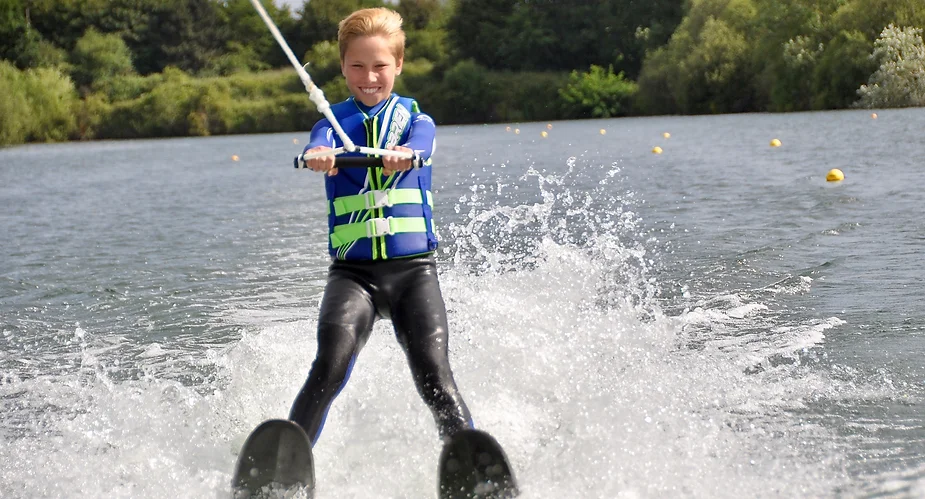
Water skiing typically involves being pulled behind a boat on two skis or one ski (slalom skiing). Skiers stand upright on the water’s surface while holding a rope attached to a boat, gliding smoothly across the water as the boat moves. This sport is often considered more straightforward for beginners due to its natural stance and balance.
Wakeboarding, by contrast, involves riding a single board with foot bindings while being towed behind a boat or cable system. Riders adopt a lower stance with bent knees and use the wake created by the boat as a ramp to perform jumps and tricks. While wakeboarding can feel more challenging at first, many riders enjoy the creativity and progression it offers.
Both sports require balance, coordination and core strength. Wakeboarding is typically done at slower speeds, while water skiing often involves higher speeds and a more upright posture. Facilities such as Longside Lake allow riders to explore both disciplines in calm water conditions, making it easier to discover which style best suits their abilities and preferences.
Benefits of Learning Waterskiing or Wakeboarding
Full-Body Workout and Fitness
Waterskiing and wakeboarding deliver an effective full-body workout. They engage the core, legs, arms and back while also improving cardiovascular fitness. Even short sessions on the water can build strength, burn calories and enhance overall stability. Riders can easily adjust intensity as they progress, from relaxed beginner runs to advanced tricks and jumps.
Skill Development and Mental Benefits
Learning to balance, stand upright and perform manoeuvres on the water requires focus, patience and determination. These challenges help improve coordination, build confidence and relieve stress. Each successful ride or new skill brings a strong sense of achievement, especially when learning in supportive environments like Longside Lake, where progression is encouraged at your own pace.
Adrenaline and Adventure
The thrill of gliding across the water or launching from a wake creates an adrenaline rush that few activities can match. Wakeboarding offers excitement through aerial tricks and creative riding, while water skiing provides speed, precision and the satisfaction of smooth turns. Both sports deliver adventure and unforgettable summer experiences.
Social Interaction and Fun
Waterskiing and wakeboarding are highly social activities. Friends and families often learn together, support each other’s progress and share time outdoors. Lakes such as Longside Lake are ideal for group sessions, coaching days and relaxed waterside experiences that bring people together.
Safety Considerations
Safety is essential in all watersports. Wearing a life jacket, checking equipment and maintaining awareness of surroundings are crucial. Beginners benefit from learning under the guidance of qualified instructors in controlled environments. Calm, purpose-built lakes offer safer conditions for building confidence before progressing to higher speeds or advanced tricks.
Equipment Essentials
Choosing the right equipment plays a key role in performance and safety. Water skiing requires either two skis or one ski, depending on experience, while wakeboarding uses a board with secure bindings. All equipment should suit the rider’s size, strength and skill level. Maintaining proper stance, bent knees and strong core engagement helps reduce the risk of injury and improves control on the water.
Learning Progression: From Dry Land to the Water
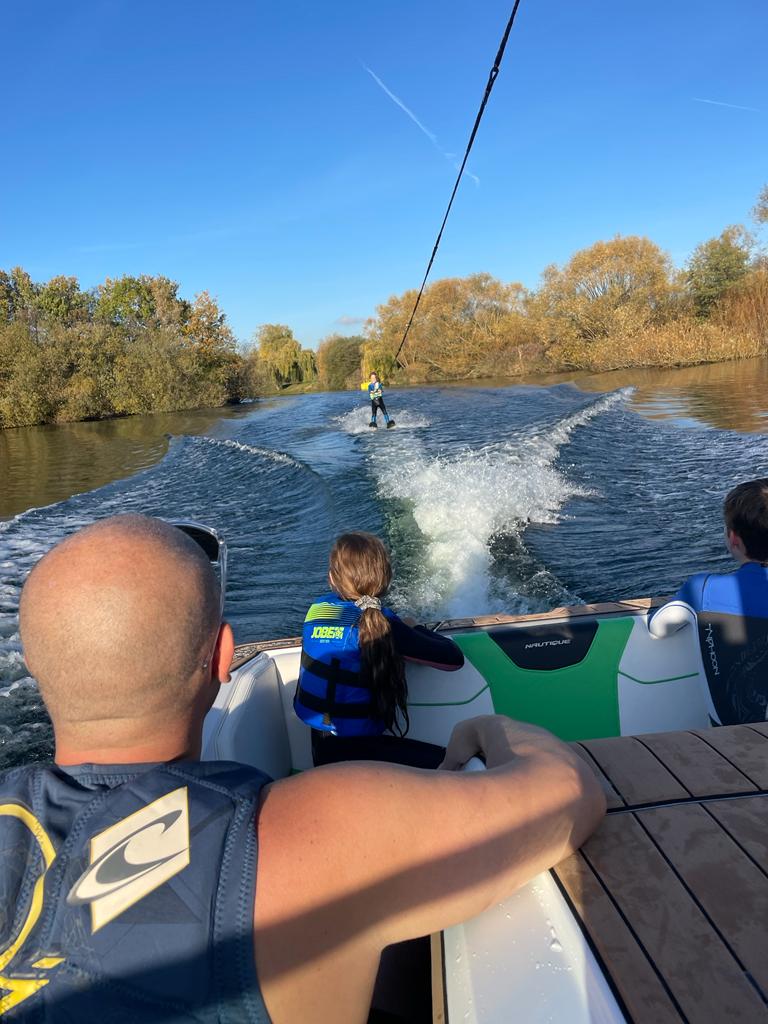
Many beginners start with dry-land training to practise balance, stance and movement before entering the water. This approach helps prepare the body for riding and builds confidence. Some facilities offer beginner-friendly platforms and shoreline starts, allowing even young children to experience waterskiing safely.
Progression typically moves from slow, guided rides to more advanced techniques, jumps and manoeuvres. Early morning sessions, when the water is calm, are often ideal for learning, especially at lakes like Longside Lake, where conditions are designed to support all ability levels.
Mastering Your Riding Style
Developing your personal riding style is key to enjoying waterskiing or wakeboarding to the fullest. Wakeboarding rewards flexibility, strong core control and adaptability, while water skiing focuses on posture, balance and smooth movement across the water.
Start by mastering the basics, standing up, balancing and making controlled turns. With regular practice, riders can progress to advanced skills and tricks. Each session builds confidence, fitness and enjoyment, creating lasting memories on the water.
Safety should always remain a priority. Regular equipment checks, wearing appropriate safety gear and following guidance ensure every session is both fun and secure.
Choosing Between Wakeboarding and Water Skiing
Choosing between wakeboarding and water skiing comes down to personal preference, physical ability and desired experience. Wakeboarding appeals to those who enjoy creativity, tricks and aerial movement, while water skiing attracts riders who prefer speed, balance and technical precision.
Many watersports centres, including Longside Lake, provide opportunities to try both disciplines, allowing riders to explore each sport before committing to one.
Complementary Activities
Watersports enthusiasts often enjoy complementary activities that enhance fitness and recovery. Open water swimming builds endurance and promotes muscle recovery, while sauna sessions help improve circulation and relaxation after time on the water. Combining waterskiing or wakeboarding with these activities creates a balanced approach to wellbeing and adventure.
Conclusion
Learning to waterski or wakeboard is more than just a recreational activity, it’s a way to build fitness, confidence and connection with the outdoors. Both sports offer exciting challenges, social engagement and opportunities for personal growth.
For those in Surrey and London, destinations like Longside Lake make these watersports accessible, welcoming and enjoyable for beginners and experienced riders alike. With the right guidance, equipment and mindset, waterskiing and wakeboarding provide lifelong skills, unforgettable experiences and a rewarding way to spend time on the water.