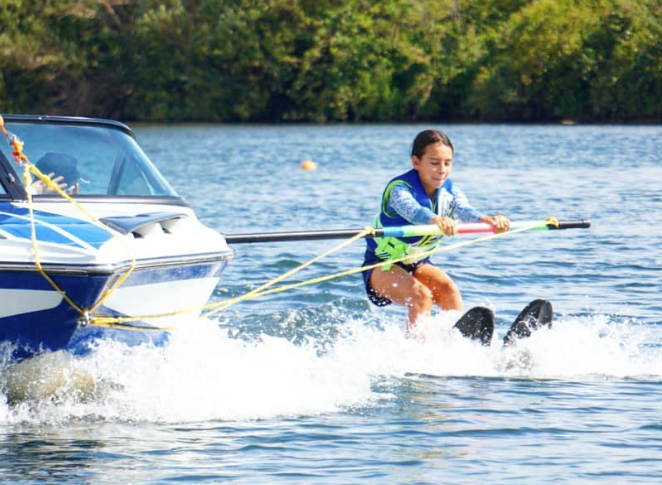
Engaging in watersports such as waterskiing, wakeboarding and open water swimming is not just a fun way to spend time outdoors, it also offers a wide range of physical and mental health benefits. Whether you’re in Surrey, London, or nearby areas, these activities help build strength, balance and overall wellbeing. Combined with sauna sessions, these sports provide a holistic approach to fitness and recovery.
From children learning to stay close to safety teams during their first swim session to adults enjoying a year-round open water swimming session, the combination of exercise, nature and safe practices creates long-term benefits for all ages.
Full-Body Fitness Through Waterskiing & Wakeboarding
Water skiing and wakeboarding are excellent forms of physical activity. Both sports engage multiple muscles groups simultaneously:
-
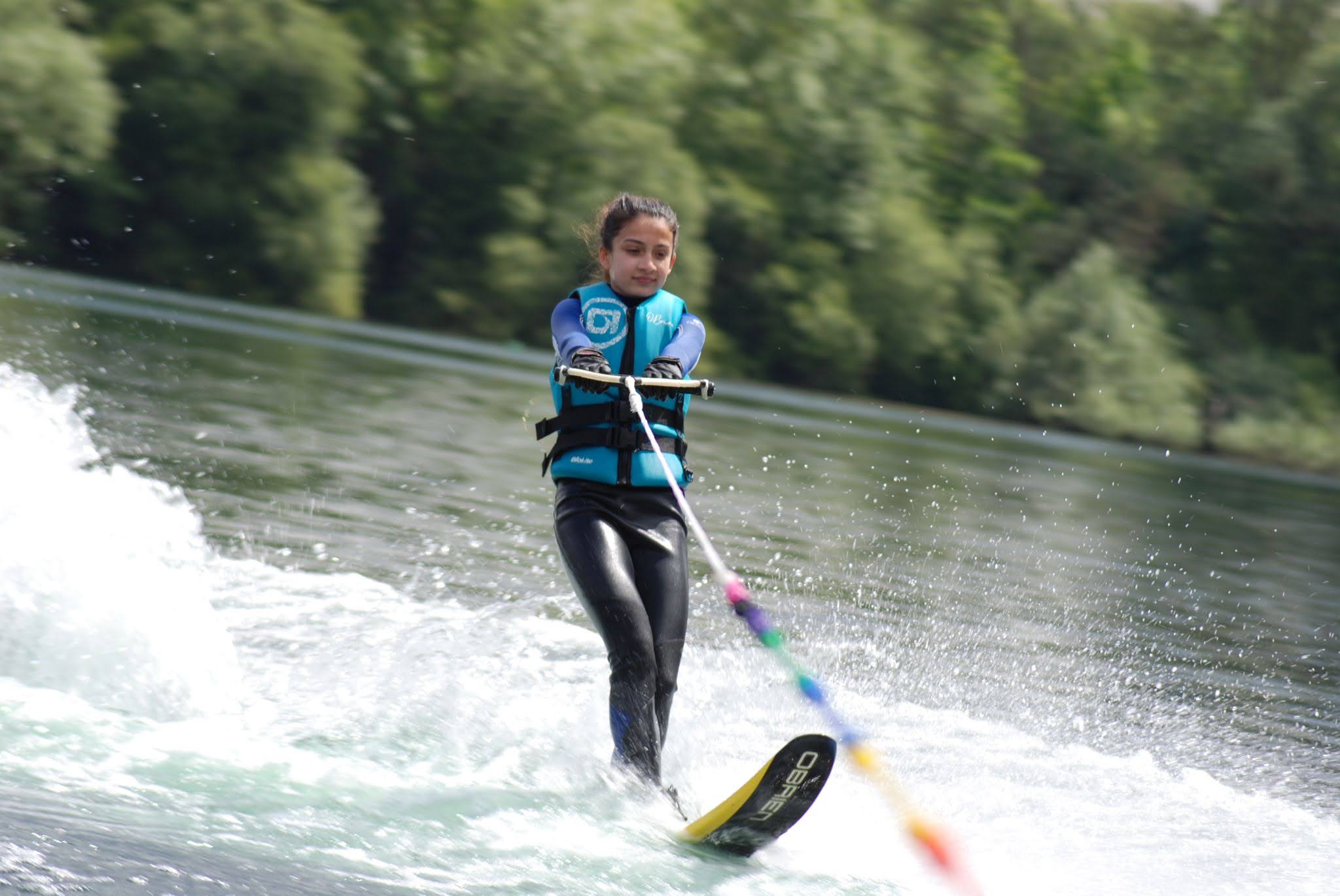
Legs & Core: Maintaining balance on a board or ski requires constant engagement of your legs, front foot and core muscles. Waterskiing provides a full-body workout that engages the legs, core and arms.
-
Arms & Shoulders: Holding onto a rope attached to a motorboat works your arms, chest and shoulders, enhancing strength and endurance. Waterskiing can also improve cardiovascular health by increasing heart rate and promoting better circulation.
-
Balance & Coordination: Navigating wakes, performing jumps, or riding a smoother ride involves constant micro-adjustments, improving motor skills and coordination. Engaging in waterskiing enhances balance and coordination due to the need to maintain stability on the water.
-
Proper stretching before and after waterskiing is important to prevent injuries.
The boat is a crucial piece of equipment, serving as the towing device in both waterskiing and wakeboarding. The weight and shape of the board or ski can vary and affect performance and some boards are filled with foam or other materials to alter buoyancy. There are also cross boards, hybrids between surfboards and water skis, whose unique shape influences rideability. The weight distribution between both feet is crucial for maintaining balance while waterskiing.
For beginners, losing balance is part of the learning process. Beginners should start with a shorter tow rope to make it easier to handle while learning. When learning to waterski, it is crucial to keep your arms straight and slowly stand up as the rope pulls you. To turn while waterskiing, you should put more weight on one ski instead of leaning. A safety team ensures proper guidance, while equipment like a tow float and brightly coloured swim hat increases visibility and safety. Wearing a life jacket is important to keep you buoyant in case of a fall. Wetsuits are commonly used in waterskiing to keep the body warm in cold water. A helmet is recommended for waterskiing, especially when learning to jump, to protect against falls. Using boards with a hybrid rocker or continuous rocker can make rides more stable, reducing the risk of falls and making sessions more enjoyable.
Open Water Swimming: Fitness, Mental Health & Resilience
Open water swimming or wild swimming provides unique health benefits not always found in pools:
-
Cardiovascular Health: Swimming in cold water strengthens the heart, increases circulation and boosts lung capacity.
-
Mental Wellbeing: Immersion in natural lakes or reservoirs reduces stress, improves mood and encourages mindfulness. Swimmers often report feelings of calm and focus after a long run in the water. Waterskiing can also boost mental health by providing a sense of freedom and enjoyment while being outdoors.
-
Strength & Endurance: Every swim session works muscles throughout the body, including the arms, legs and core, building overall fitness.
-
Resilience: Dealing with variable conditions like cold water, changing loops, or lake currents helps children and adults develop mental toughness. The sport of waterskiing can help reduce stress levels through physical activity and connection with nature.
Safety is paramount during open water swimming. A safety team, clear safety information and tow floats help ensure all swimmers can enjoy the sport with minimal risk. Many sites offer a booking system to schedule and manage open water swimming sessions for convenience and safety. On-site amenities such as heated changing rooms with lockers, showers and toilets are available for swimmers' comfort and equipment like wetsuits, tow floats and swim hats can be hired or purchased on site.
Sauna: Recovery and Longevity Benefits
After intense watersports or a challenging swim session, spending time in a sauna supports muscle recovery, mental relaxation and overall wellbeing:
-
Muscle Relaxation: Heat increases blood flow, helping muscles repair after being pulled or strained during wakeboarding or waterskiing.
-
Detoxification: Sweating assists the body in eliminating toxins, complementing the benefits of cold water exposure.
-
Stress Relief & Mental Health: Saunas reduce stress, lower tension in shoulders and chest and enhance overall mood.
Combining cold water dips and sauna sessions is a popular contrast therapy, stimulating circulation and promoting a sense of renewal.
Benefits for Children and Young Adults
Children benefit tremendously from participation in watersports and open water swimming sessions:
-
Confidence Building: Learning to balance on a wakeboard or ski and completing loops boosts self-esteem.
-
Physical Development: Regular sessions help children develop muscles, coordination and endurance.
-
Safety Skills: Following safety information, staying near the safety team and learning to use a tow float develops responsibility in open water environments.
-
Enjoyment & Social Skills: Fun activities like jumps and rides foster friendships and teamwork, promoting mental wellbeing.
Practical Tips for Getting Started
Whether you are an adult or child, here are tips to maximise health benefits:
-
Wear the Right Equipment: Invest in a brightly coloured swim hat, suitable wetsuit and properly fitting ski or board. Most water skiing centres provide all the necessary equipment, so a person only needs to bring a swimsuit or swimming shorts.
-
Start Slow: Begin with shorter swim sessions, gradually increasing distance to avoid overexertion.
-
Follow Safety Guidelines: Always listen to your instructor and safety team and use tow floats where required. Each person should ensure they meet any safety requirements and follow all rules set by the centre.
-
Combine Activities: Mix waterskiing, wakeboarding and open water swimming with sauna use for recovery.
-
Stay Consistent: Participating in year-round activities maintains muscle tone, fitness and mental clarity.
Many clubs operate pay-and-play schemes, allowing a person to pay for individual sessions rather than joining for a year.
Safety and Equipment: Essentials for Safe Enjoyment
Safety is the foundation of every great water sport experience, whether you’re wakeboarding, water skiing, or taking part in open water swimming sessions. The right equipment not only enhances your performance but also keeps you protected. For open water swimming, a brightly coloured swim hat and a tow float are essential, they make swimmers highly visible to the safety team and provide extra support if you need to rest or signal for help. Wearing a well-fitted wetsuit or life jacket is crucial for maintaining warmth in cold water and helps prevent losing balance or injury during falls.
Beginners should always start with guidance from a qualified instructor, who can demonstrate how to use the equipment, maintain balance and navigate the water safely. Before heading out, check the weather and water conditions, as cold water, strong winds, or choppy waves can increase risk. During open water swimming sessions, always stay close to the safety team and be aware of how to get assistance if needed. By prioritizing safety, wearing the right gear and respecting your own limits, you can enjoy the fun and excitement of water skiing, wakeboarding and swimming with confidence and peace of mind.
Locations and Destinations: Where to Experience the Best of Water Sports
Choosing the right location can make all the difference for your water skiing, wakeboarding, or open water swimming adventure. For a smoother ride, look for lakes, reservoirs, or calm stretches of open water where wind and waves are minimal. International hotspots like Lake Como in Italy, Lake Geneva in Switzerland and the Mediterranean coast offer breathtaking scenery, warm waters and a full range of equipment and instruction for all skill levels. In the UK, destinations such as Surrey, Cornwall and various local lakes and reservoirs provide excellent opportunities for both beginners and experienced riders.
When selecting a spot, consider the water’s temperature, depth and clarity, as well as the availability of safety services and equipment rental. Some locations, like cable parks or dedicated wakeboard parks, offer controlled environments with features like ramps and jumps, while natural lakes and open water sites deliver a more adventurous experience. No matter your age or ability, there’s a perfect place to head for your next ride, just remember to prioritize safety and choose a location that matches your comfort and skill level.
Best Time for Water Sports: Seasonal Considerations and Timing Tips
Timing your water sports session can greatly enhance your experience and safety. The summer months, from June to September, are typically the most popular for water skiing and wakeboarding, thanks to warmer water and pleasant weather. However, these months can also bring more crowds and higher demand for equipment and lessons. For a quieter session, consider the shoulder seasons, April to May or September to October, when the water is still inviting but the sites are less busy.
Many locations offer year-round opportunities for water sports, especially for those equipped with wetsuits and the right gear to handle colder conditions. Early morning or late evening sessions often provide the calmest water, making it easier to maintain balance and enjoy a smoother ride. Always check the local weather and water conditions before your session, as these can change depending on the season and time of day. By planning ahead and choosing the right time, you can make the most of every water skiing, wakeboarding, or open water swimming session, ensuring it’s both safe and memorable.
Long-Term Health Benefits
Engaging regularly in these water-based activities contributes to:
-
Improved Physical Fitness: Stronger muscles, better balance and enhanced cardiovascular health.
-
Enhanced Mental Wellbeing: Stress relief, mindfulness and resilience.
-
Social Connection: Participating in swim sessions and watersports fosters community and teamwork.
-
Injury Prevention: Activities improve flexibility and body control, reducing risk during daily life or other sports.
For adults and children alike, learning to ride a wake, perform a jump, or complete a loop in a lake environment promotes health, fun and long-term fitness habits.
Conclusion
The combination of waterskiing, wakeboarding, open water swimming and sauna use is a holistic approach to physical and mental health. From strengthening muscles and improving balance, to boosting mental resilience and reducing stress, these activities provide both exercise and wellbeing benefits.
Whether you’re participating in a structured swim session, taking on a wakeboarding challenge, or enjoying a relaxing sauna, the health benefits are significant, accessible and rewarding.
By integrating these watersports into your routine, anyone, from beginners to experienced swimmers, can enjoy improved fitness, wellbeing and a stronger connection to the water.