The Ultimate Well Being Combination
Hot and cold therapy are highly effective wellness treatments designed to support physical recovery, enhance mental clarity and promote long-term overall well-being. Contrast therapy, which involves alternating between hot saunas and cold water immersion, has been practiced for centuries, especially in Nordic cultures. This combination is often referred to as the 'Nordic Cycle,' highlighting its historical significance and roots in Nordic cultures. By combining controlled heat and cold exposure, these therapies work together to stimulate circulation, reduce inflammation, relieve muscle tension, calm the nervous system and boost recovery. Heat therapy and hot water exposure help blood vessels dilate, relax muscles, relieve tension and support immune response, while cold immersion can reduce stress and further enhance recovery. This hot and cold routine not only supports the body’s physical and mental health recovery processes but also helps improve focus, resilience and stress management, making it a powerful addition to a modern wellness routine.
In this blog, we explore the health benefits of combining cold water immersion and sauna therapy and the impact it has on an individual's physical and mental well being.
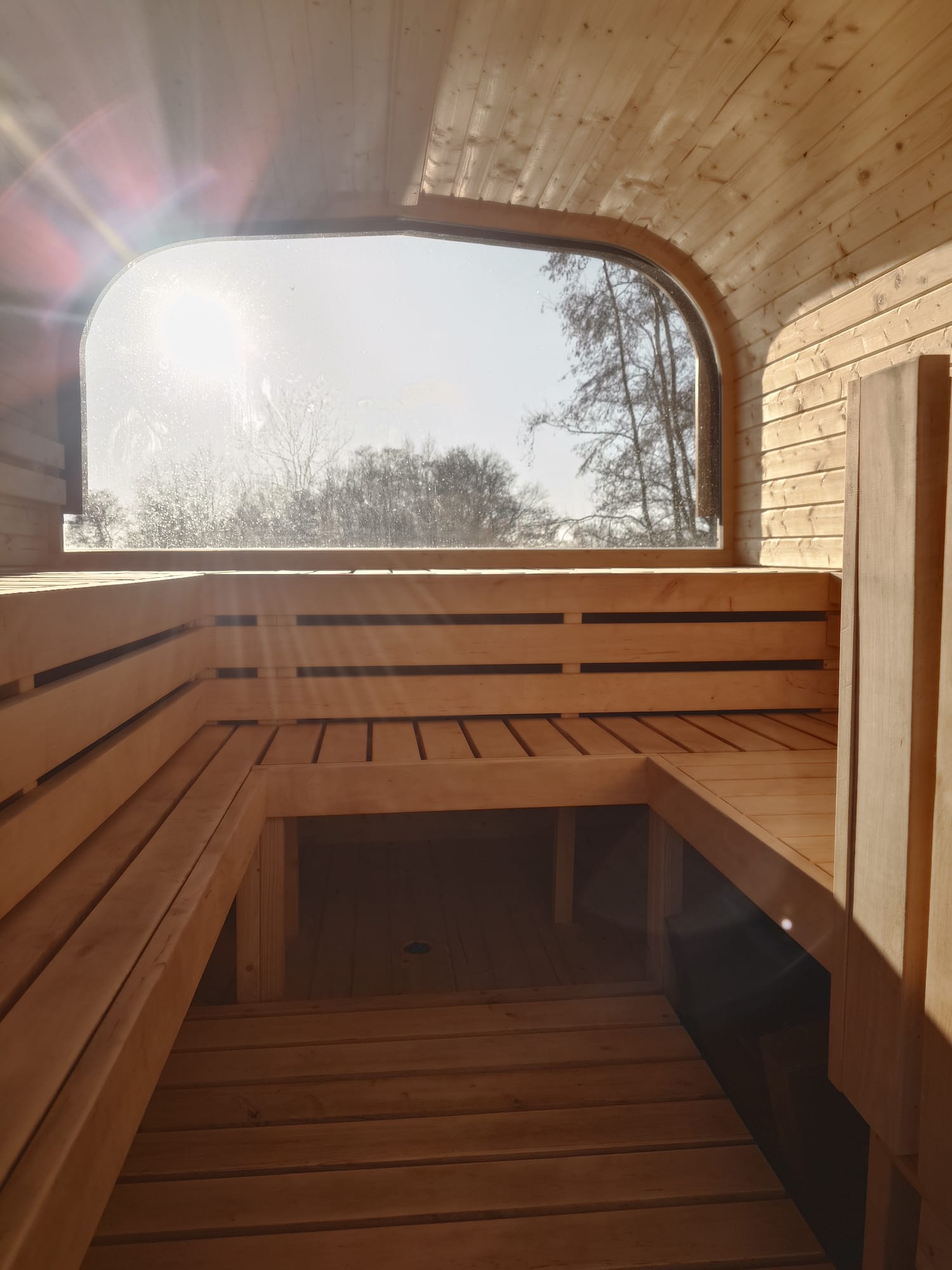
Health Benefits of Sauna Therapy and Cold Water Therapy
Cold plunges help you improve your body’s circulation as it encourages blood vessels to constrict and dilate, improving blood flow and cardiovascular function. Heat exposure in the sauna causes vasodilation, which increases blood flow and aids muscle relaxation. When followed by sauna therapy, these benefits are enhanced through deep sweating, helping the body flush toxins such as heavy metals and waste products.
Beyond circulation and detoxification, cold water dipping is widely recognised for its role in reducing sore muscles, muscle inflammation and joint discomfort. This contrast therapy is particularly beneficial for those recovering from exercise or managing physical tension from daily life. Sauna sessions typically last between 10 to 20 minutes, while cold plunges last 1 to 3 minutes, with sauna temperatures around 90°C (195°F) and ice baths at about 3°C. Regular cold exposure can also support the immune system by stimulating white blood cell production, helping to strengthen the body’s natural defences.
After muscle recovery, heat shock proteins are activated during sauna use, supporting cellular health, repairing DNA and reducing inflammation.
When combined with the soothing heat of the sauna, muscles are able to fully relax, stress levels are reduced and the nervous system is gently brought back into balance, leaving you feeling restored, energised and mentally clear. During transitions between heat and cold, the body’s metabolic rate increases as it works to regulate core body temperature and brown fat is activated by cold exposure, supporting thermogenesis, fat loss and improved metabolic health.
Both heat and cold exposure can activate dopamine and endorphins, helping to improve mood and reduce stress.
Mental Health Benefits of Combining Sauna Sessions & Cold Therapy
In addition to the physical benefits, hot and cold temperatures offer powerful support for mental and emotional wellbeing. When you take yourself for a cold plunge, you must control your breathing and ensure you are present in what you are doing. This encourages mindfulness and helps you regulate your body’s stress response.
Over time, this practice can increase mental resilience, improve mood and reduce symptoms of stress and anxiety. The sauna provides the perfect counterbalance, promoting deep relaxation and encouraging the release of endorphins, the body’s natural “feel-good” hormones. Both heat and cold exposure can activate dopamine and endorphins, helping to improve mood and reduce stress.
The contrast between hot and cold also supports better sleep quality. Contrast therapy accelerates sleep onset, enhances deep sleep stages and helps regulate sleep-related hormones like melatonin and cortisol. By helping to regulate the nervous system and reduce cortisol levels, contrast therapy allows the body to fully unwind. Many people find that incorporating sauna and cold water sessions into their routine leads to deeper, more restorative sleep and improved energy levels the following day. Steam rooms and cold showers are also effective alternatives or complements to sauna and cold plunge routines.
During the colder months, when daylight is limited and energy levels often dip, hot and cold contrast therapy can be particularly beneficial. The stimulating effects of cold water exposure help boost alertness and circulation, while the warmth of the sauna provides comfort and relaxation. Together, they offer a natural way to combat seasonal fatigue, improve motivation and maintain a sense of balance throughout the winter months. Wild swimming and cold water swimming also provide significant mental health benefits, including stress reduction, mindfulness and mood enhancement.
Whether used as part of a regular wellness routine or as a recovery tool after physical activity, sauna therapy and cold water immersion provide a holistic approach to wellbeing. By supporting both body and mind, this powerful combination helps individuals feel stronger, calmer and more connected, making it one of the most effective and accessible wellness practices available today.
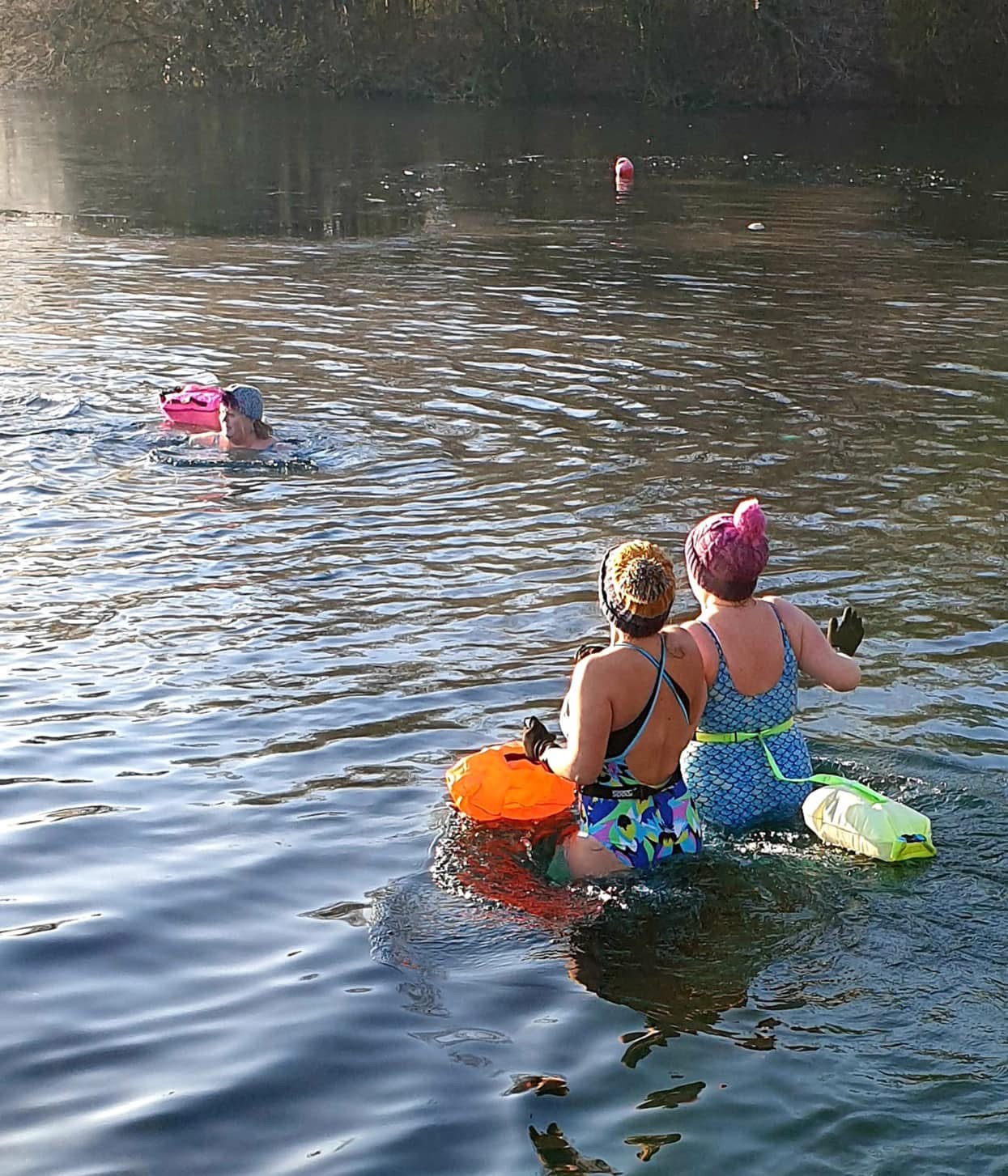
Consult a Healthcare Professional Before Starting Cold Water Dipping
At Longside Lake, safety is our number one priority.
While sauna therapy and cold water dipping offer numerous health benefits, it’s important to approach these practices safely as everyone's body responds differently. Cold water immersion can place stress on the cardiovascular system and affect blood pressure, particularly for individuals with cardiovascular health conditions, high blood pressure or other underlying health conditions. Before beginning a cold water dipping routine, it is strongly recommended to seek advice from a qualified healthcare professional. They can assess your individual health, provide guidance on safe exposure times and help you gradually build tolerance. Taking these precautions ensures that you can enjoy the benefits of contrast therapy safely and effectively, while reducing the risk of adverse effects.
Getting Started with Sauna and Cold Water Dipping
As a beginner, icy cold water may be very daunting as you will be unsure what your cold water routine is. As a beginner, you should start off with short sessions and gradually increase the duration as your tolerance improves to help avoid cold shock from the cold temperatures. A classic cold plunge routine or ice bath routine involves spending 10–20 minutes in a sauna, followed by 1–3 minutes in an ice bath and repeating this cycle for 2–3 rounds. To make the most of the sauna and cold plunge, you should alternate between the hot and cold temperatures. This is because the hot sauna will allow your body to recover, while still experiencing the full benefits of contrast therapy. For home-based contrast therapy, using a plunge tub and an infrared sauna can offer convenient and effective options to enhance your wellness routine.
Not only this, it is also important to focus on proper breathing techniques and mindful presence during both the hot sauna and cold plunge session. This not only maximises the physical benefits but also enhances the mental and emotional effects, helping you feel grounded, focused and energised. Remember to stay hydrated during contrast therapy to replace fluids lost through sweating in the sauna.
By approaching sauna and cold water dipping gradually and safely, you can create a sustainable wellness routine that strengthens your body, calms your mind and supports overall health, helping you feel revitalised and ready to take on daily challenges. Always end your contrast therapy session with cold exposure to help reduce potential inflammation.
Creating a Contrast Therapy Routine
Establishing a contrast therapy routine is a powerful way to harness the benefits of both hot and cold temperatures for your physical and mental health. This practice, often referred to as contrast therapy, involves alternating between sauna sessions and cold water immersion—such as a cold plunge or ice bath—to stimulate blood flow, reduce inflammation and support overall well-being.
To get started, it’s important to tailor your routine to your own comfort and experience level. Begin with a session in the hot sauna, allowing your muscles to relax and your body temperature to rise. After 10-15 minutes, transition to a cold plunge or cold water immersion for 1-3 minutes. This sharp contrast between hot and cold encourages your blood vessels to constrict and dilate, boosting circulation and helping to reduce muscle soreness and inflammation. For best results, repeat this cycle two to three times, always paying close attention to how your body responds.
Everyone’s tolerance to hot and cold temperatures is different, so start with shorter sessions and gradually increase the duration as your confidence and resilience build. Some people prefer to begin with a cold plunge to invigorate the nervous system, while others find it more soothing to start with the warmth of the sauna. Whichever order you choose, ending with a cold dip can help minimize muscle inflammation and leave you feeling refreshed.
Hydration is key throughout your contrast therapy routine, as sauna bathing can lead to significant fluid loss. Make sure to drink water before, during and after your sessions to support your body’s recovery and maintain optimal health.
For those looking to enhance their routine, consider incorporating mindfulness practices such as deep breathing or gentle stretching between rounds. This not only amplifies the mental health benefits but also helps you stay present and attuned to your body’s needs.
As with any new wellness practice, it’s wise to consult a healthcare professional before starting, especially if you have underlying health conditions or concerns about cardiovascular health. By personalizing your contrast therapy routine and listening to your body, you can enjoy improved circulation, a stronger immune system, reduced stress and a greater sense of well-being—making sauna and cold plunge sessions a rewarding part of your self-care journey.
Embrace the Benefits of Sauna and Cold Water Therapy
Sauna therapy and cold water dipping offer a powerful combination of physical, mental and emotional benefits. The Nordic Cycle, a traditional practice rooted in Nordic cultures, involves alternating between sauna heat and cold water immersion to help boost recovery and support immune response. From improving circulation and supporting cardiovascular health to helping muscle recovery, inflammation and joint discomfort, these therapies provide an effective approach to physical recovery and overall wellbeing.
Equally important are the mental and emotional benefits. Cold water immersion encourages mindfulness, builds resilience and helps with stress reduction, while sauna sessions promote deep relaxation, release endorphins and support restorative sleep. Regular practice can also lead to better sleep and improved metabolic health through the activation of brown fat, which burns energy to produce heat and supports fat loss. Together, hot and cold contrast therapy offers a holistic wellness experience that leaves you feeling energised, balanced and mentally clear.
Whether you are looking to enhance recovery after exercise, boost your immune system, improve sleep or simply enjoy a moment of calm and relaxation, sauna and cold water therapy offer a natural and accessible way to support your overall health. By incorporating these therapies into your routine safely and mindfully, you can experience lasting benefits for both body and mind, helping you feel stronger, calmer and more resilient every day.
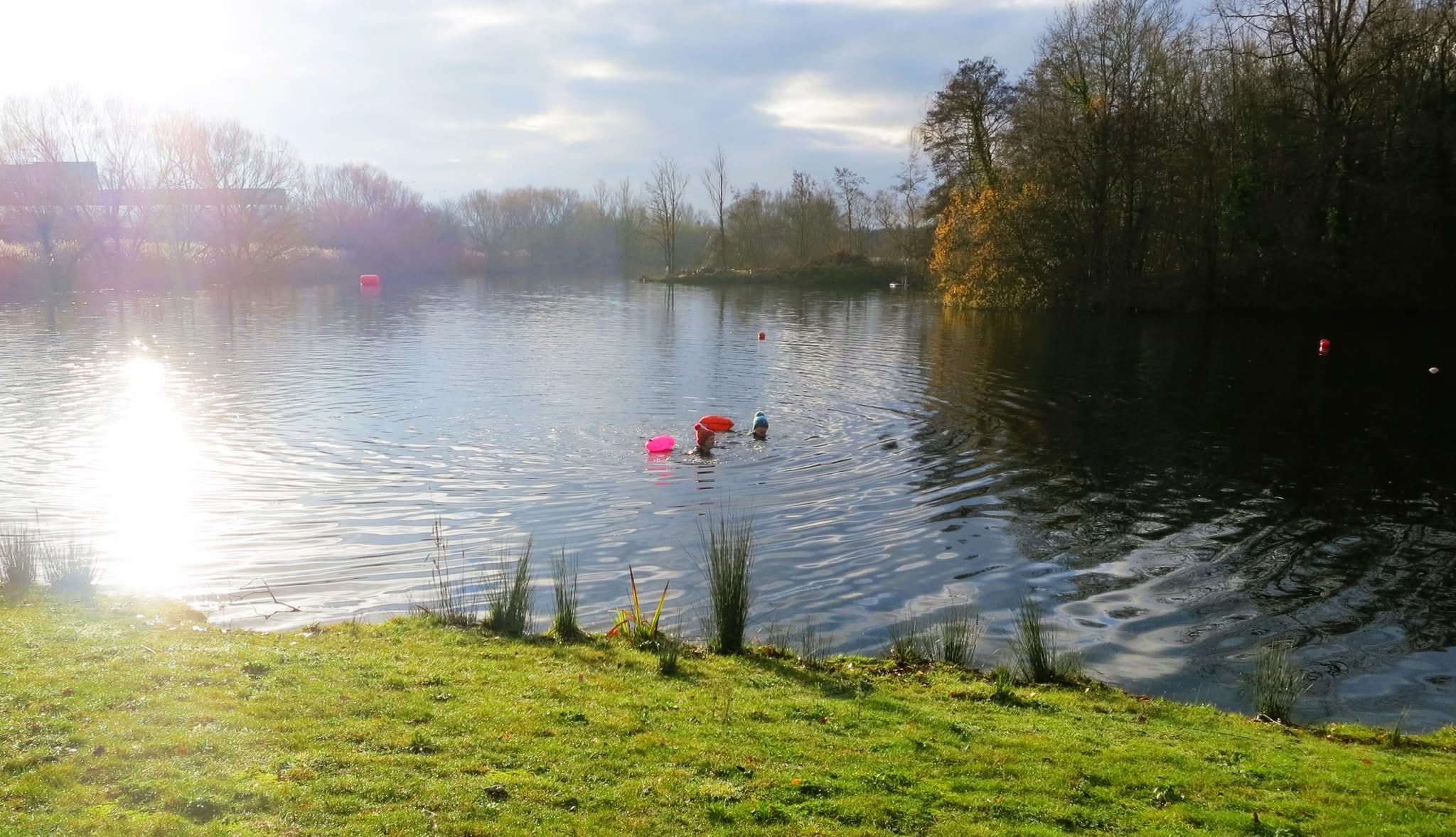
Your Local Sauna & Cold Water Dipping Experience in Surrey
Whether you’re looking for sauna therapy in Surrey, cold water dipping near London or a complete contrast therapy experience close to Egham and Staines, our sessions provide a professional, welcoming approach to wellness. Designed to support long-term health, recovery and relaxation, sauna therapy and cold water dipping offer an effective addition to any wellbeing routine.
Cold plunge tubs and steam rooms are available in many gyms, spas and wellness centers, making temperature therapy accessible to more people. Wild swimming is also a popular local activity, offering a natural way to experience the benefits of cold water exposure alongside sauna use.
For those new to cold water dipping, the experience can initially feel challenging. The reassurance of a warm sauna afterwards helps ease anxiety, providing both physical comfort and mental confidence.
Cold plunge tubs are becoming increasingly popular in wellness centers, supporting recovery and overall well-being.
Why Choose Longside Lake
Located just outside of London, Longside Lake is easily accessible off the M25, positioned conveniently between Staines and Virginia Water. Our serene, fresh water lake provides the perfect natural setting for cold water immersion, while our purpose-built wood sauna offers a warm, calming retreat to complement every session.
At Longside Lake, we focus on creating a safe, welcoming and restorative environment for everyone. Whether you are a first-time visitor or a seasoned cold water swimmer. Our facilities are designed to maximise the benefits of contrast therapy, allowing you to move seamlessly between the invigorating cold plunge and the relaxing heat of the sauna.
Book Your Sauna and Cold Water Dipping Experience
Take the first step towards revitalising your body and mind by booking your sauna and cold water dipping session at Longside Lake today. Experience the powerful benefits of contrast therapy in a serene and safe environment, designed to support your physical recovery, mental clarity and overall wellbeing.