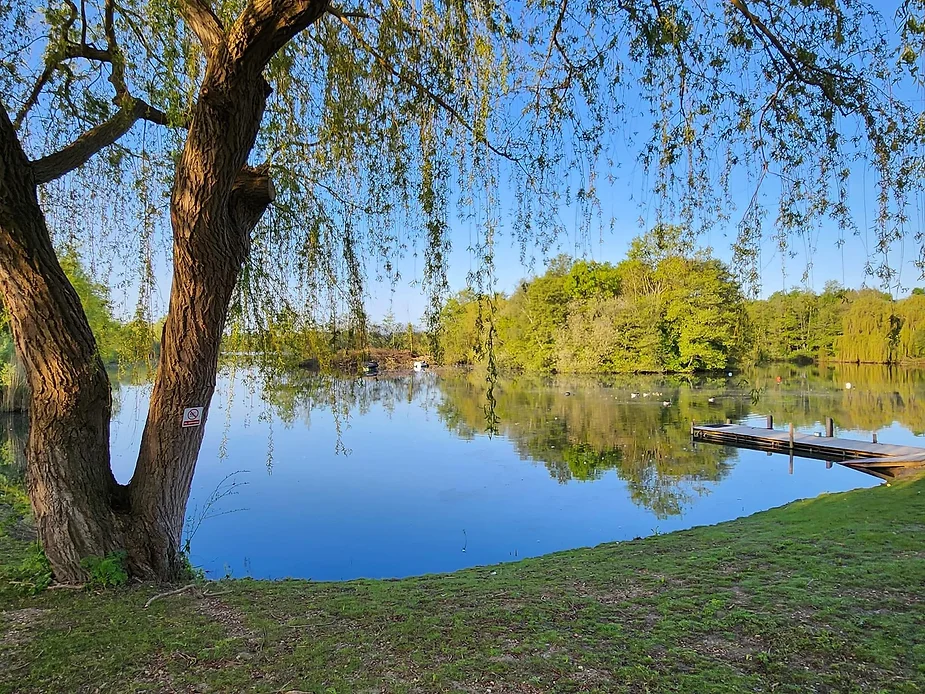
Open water swimming and wild swimming are some of the most refreshing ways to enjoy the great outdoors, boost your mental wellbeing and get a full body workout. For those in Surrey or London, the proximity of lakes, rivers and even managed facilities like Longside Lake Watersports makes it easier than ever to enjoy swimming in open water, sea swimming, or a quick dip while staying safe.
Whether you are a beginner or a confident swimmer, understanding how to prepare, what equipment to use and how to respond to cold water shock or changing water conditions is essential. This beginner’s guide is a blog post written to offer advice for those interested in wild swimming and open water swimming safety. It covers everything you need to know about wild swimming safely, combining open water swimming, watersports and even sauna use for recovery.
Introduction to Open Water Swimming
Open water swimming, often called wild swimming, is an exhilarating way to connect with nature while reaping a host of health benefits. Unlike swimming in a pool, open water swimming takes place in natural settings such as lakes, rivers and the sea, offering a unique sense of freedom and adventure. Many swimmers are drawn to the mental wellbeing boost that comes from being outdoors, as well as the physical perks like improved circulation and a stronger immune system. However, swimming in open water also comes with its own set of challenges, including the risk of cold water shock, unpredictable water conditions and the need for heightened safety awareness. By understanding these risks and following expert advice, you can enjoy all the benefits of wild swimming while keeping yourself safe. This guide is packed with top tips to help you make the most of your open water experience, whether you’re looking to improve your fitness, support your mental health, or simply enjoy a refreshing swim in the great outdoors.
Why Open Water Swimming Is Popular in Surrey and London
Swimming outdoors offers a range of health benefits. Unlike a swimming pool, cold water immersion can improve blood flow, enhance your immune system and increase mental wellbeing. Repeated exposure to cold water also trains the body to handle temperature changes more effectively, which can help improve swimming ability and overall resilience.
For urban residents, a short trip from London to Surrey can provide access to lakes, rivers and safe outdoor swimming spots. Managed sites like Longside Lake provide excellent water quality, clear exit points and safety measures that are ideal for wild swimmers, beginner open water swimmers, or anyone experiencing cold water shock for the first time
Preparation and Planning for Your Swim
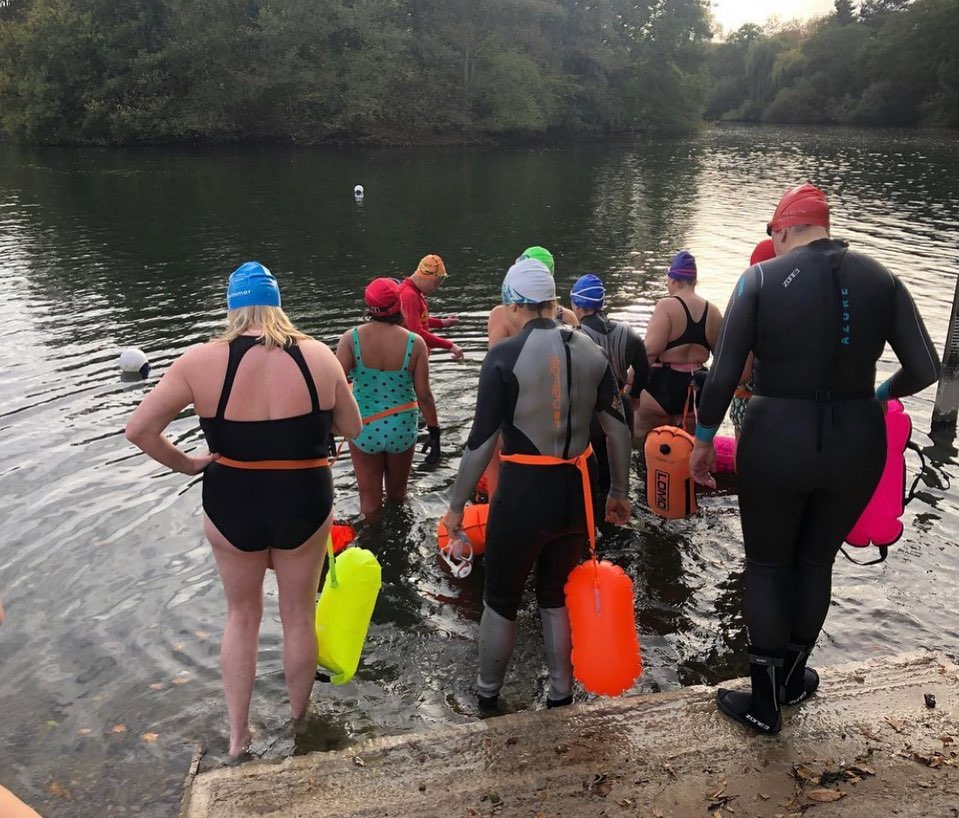
A successful and safe open water swim starts long before you enter the water. Begin by checking the weather forecast and current water temperature to ensure conditions are suitable for swimming. It’s also important to review recent water quality reports, especially after heavy rainfall, as raw sewage overspills can affect the safety of your chosen spot. Take time to research your swimming location, noting any potential hazards like strong currents, submerged obstacles, or restricted areas. Equipping yourself properly is key, wear a brightly coloured swimming hat to increase your visibility and bring a tow float for added safety and buoyancy. If the water is particularly cold, consider wearing a wetsuit to help maintain your body temperature. Always plan to swim with a buddy or as part of a group and let someone on shore know your plans and expected return time. With careful preparation and the right equipment, you can enjoy your water swim with confidence, knowing you’ve taken steps to minimize risks and maximize enjoyment.
Essential Safety Tips for Open Water and Wild Swimming
Swimming in natural waters is exhilarating but requires caution. Here are the top tips to swim outdoors safely:
Check the Weather and Water Conditions
Always check the weather forecast and water temperature before swimming. Avoid swimming in extreme conditions or if red and yellow flags indicate danger. Be aware of raw sewage overspills, which can impact water quality and may cause illness.
Know Your Limits
Even experienced swimmers can experience cold water shock. Cold muscles contract quickly in icy water and blood flow changes can cause lightheadedness or fatigue. Always know your limits and never push beyond them. Beginners should start with a quick dip or short swim.
Enter the Water Slowly
To avoid cold water shock, enter cold water slowly, ideally wearing a wetsuit for buoyancy aid and extra warmth. Gradual immersion helps your body adapt and reduces the risk of sudden cold water stress.
Use the Right Equipment
Equipment is vital for safer open water swimming:
-
Tow float: Increases visibility and provides rest if needed
-
Brightly coloured swimming hat: Helps others see you in the water
-
Buoyancy aid: Ideal for beginners
-
Wetsuit: Keeps you warm and increases swimming ability
-
Waterproof pouch: To keep keys, phone, or safety essentials dry
Always wear a brightly coloured hat for safety and consider a bobble hat for post-swim warmth.
Swim with Others
Wild swimmers should never swim alone. Swimming alongside others provides safety in emergencies, encourages social connections and allows you to swim parallel with someone for support. Join social media groups or local clubs to meet fellow swimmers.
Know Exit Points and Emergency Services
Before you swim, identify exit points and ensure access to emergency services if needed. Lakes, rivers and seas can be unpredictable, planning for exit strategies is essential.
Swimming Techniques and Safety Tips for Open Water
Mastering a few essential techniques can make your open water swimming experience both safer and more enjoyable. Using a tow float or buoyancy aid not only helps you stay afloat but also makes you more visible to other water users. Before you set off, take a moment to observe the water, look for signs of changing currents, wind direction and any potential hazards like rip currents or floating debris. If you ever find yourself in difficulty, remember the “float to live” technique: lie on your back, keep your airway clear and stay calm until help arrives or you regain your strength. Regularly check the weather and water conditions and always swim with a buddy or group for added safety. Know your own limits, take breaks as needed and don’t hesitate to exit the water if you start to feel cold or tired. By following these safety tips and practicing self-rescue skills, you’ll not only protect your health but also enhance your confidence and enjoyment every time you swim outdoors.
Preparing for Cold Water Swimming
Cold water swimming is invigorating but requires preparation:
-
Warm clothes and a dry robe for after your swim
-
Hot drink to raise body temperature
-
Warm drink to help you stay warm and rewarm your body after swimming
-
Warm shower if available to prevent prolonged wet clothes discomfort
-
Repeated exposure helps build tolerance and improves your body’s response to cold water immersion
After swimming in cold water, it is important to warm up quickly by changing into warm, dry clothes to stay warm. This helps prevent the afterdrop, a drop in core body temperature that can occur after leaving cold water. If you are not acclimatized, limit your exposure to cold water to less than 10 minutes. Wearing a wetsuit can help retain warmth and improve buoyancy in cold water.
Managing your temperature after a swim is just as important as during your swim to maintain mental health, well being and immune system function.
Choosing the Right Swimming Spot
Surrey and London have numerous swimming spots:
-
Lakes: Often calmer, easier to control entry points, ideal for beginners
-
Rivers: Stronger currents, requires caution and awareness of water users
-
Sea: When swimming in the sea, always research the area beforehand to ensure it is safe and to familiarise yourself with different entry and exit points. Choose a lifeguarded beach and swim between the red and yellow flags for maximum safety. Be aware of natural hazards such as strong currents, tides and water quality and always check local conditions before entering the water.
Managed lakes like Longside Lake offer monitored water quality, supervised swimming and a friendly community for both outdoor swimmers and wild swimmers.
Open Water Swimming Benefits
Swimming outdoors offers a host of health benefits:
-
Improved blood flow and circulation
-
Reduced stress and enhanced mental wellbeing
-
Strengthened immune system
-
Boosted swimming ability through repeated exposure to cold water
-
Engaging the body in a full body workout
Combining Watersports with Swimming
Longside Lake also offers watersports activities to complement your swimming experience:
-
Paddleboarding: Builds balance and core strength
-
Wakeboarding & Waterskiing: Fun, adrenaline-filled ways to enjoy the water
-
Sessions are available for beginners and confident swimmers, ensuring safety and fun
Sauna Use: Recovering After a Swim
Post-swim recovery is crucial, especially after cold water swimming. Saunas help:
-
Warm cold muscles
-
Relax the body after a full body workout
-
Enhance mental health and well being
Pairing cold water immersion with sauna sessions promotes blood flow, aids recovery and offers a unique outdoor and wellness experience, perfect for Surrey and London swimmers visiting Longside Lake.
Expert Advice & Resources
For more guidance on wild swimming safely and safer open water swimming, consult:
-
Swim England: Tips for beginners and confident swimmers
-
Outdoor Swimmer Magazine: Expert advice and feature articles
-
Social media groups: Local insights and swimming meetups
Top tips include wearing the right equipment, starting with warm drinks and warm clothes and ensuring you know exit points and water conditions before each swim
Final Words
Open water swimming is an incredible way to enjoy the great outdoors, improve your mental wellbeing and stay fit. By following safety guidelines, wearing brightly coloured equipment and choosing safe swimming spots, both beginners and experienced wild swimmers can enjoy swimming outdoors, cold water swimming and even sea swimming safely.
Longside Lake in Surrey offers a perfect combination of safe water, watersports and sauna facilities, making it ideal for swimmers from Surrey, London, or beyond. Take the plunge, enjoy the water and embrace the many health benefits of open water swimming today.